
Keeping young students engaged while building early literacy skills can be a challenge, but activities like Read and Write the Room Activities for kindergarten students make it easier and more fun! These hands-on activities get students moving, reading, and writing in meaningful ways, making them a classroom favorite for both teachers and students alike.

In this post, we’ll explore what “Read and Write the Room” looks like in a kindergarten setting, why it works so well, and creative ways to use it across different subjects and themes in your classroom!
What Is “Read and Write the Room”?
Read and Write the Room is a simple and effective literacy center where students walk around the classroom searching for words, letters, numbers, or pictures displayed on walls, furniture, or around the room. With a clipboard in hand, they read what they find and write it down on a recording sheet.
This activity naturally incorporates movement, which is perfect for young learners who benefit from kinesthetic learning opportunities. It also provides a fun way to learn academic skills like sight words, phonics patterns, and vocabulary in a playful way.
Why Kindergarten Students Love It
Kindergartners are full of energy, and Read and Write the Room activities let them move with purpose. Here’s why it’s so effective:
- It builds independence. Students learn to follow directions and work at their own pace.
- It supports early reading and writing skills. Repeated exposure to words helps build automaticity and writing words develops fine motor skills.
- It’s differentiated by nature. You can easily scaffold or extend based on student ability.
- It adds variety to routine literacy tasks. Children love the “scavenger hunt” aspect!
10 Read and Write the Room Activities for Kindergarten Students
Classmate Names
One fun and meaningful way to personalize Read and Write the Room is by using your students’ names! This is a great beginning of the year activity to help students learn their classmates names. Simply print each child’s picture and name on a card and post them around the classroom.
Students will walk around, find their classmates’ names, and write them on a recording sheet. This activity helps build name recognition, letter formation skills, and a sense of classroom community. You can extend the activity by having students count how many letters are in each name, find names that start with the same letter, or even write a sentence using a friend’s name.
If your students aren’t quite ready to fully write another classmate’s name, you can have a list of names for them to check off each name as they find it.
Color Words Read and Write the Room
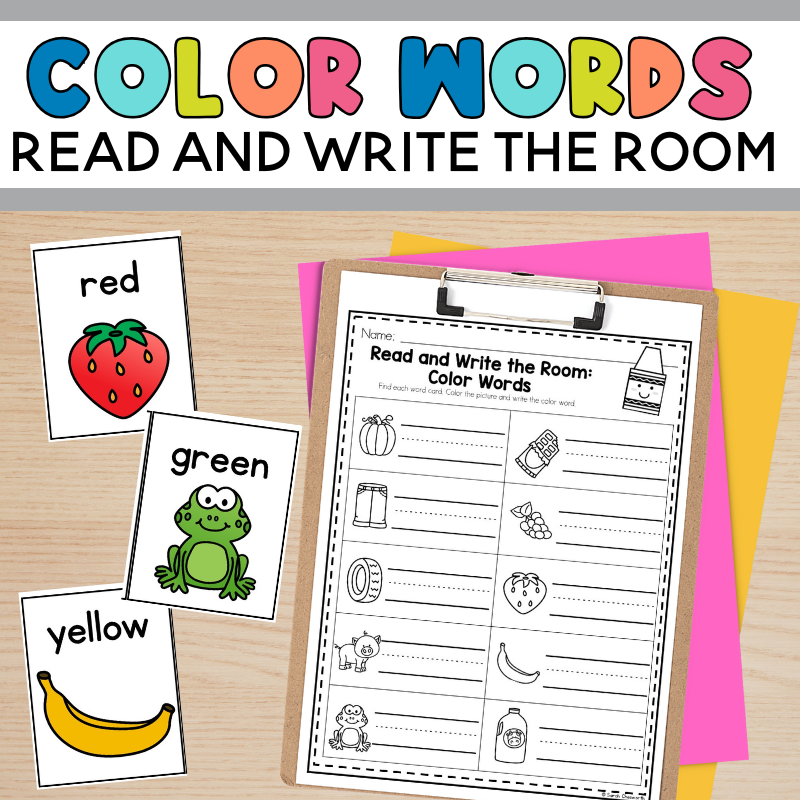
Incorporating color words into your Read and Write the Room routine is a fun and effective way to help kindergarten students learn to read and spell common color words they encounter every day. Post cards around the classroom with color words written in bold, clear print—either in matching colors (e.g., the word “blue” written in blue) or mixed-up colors to encourage true word recognition rather than just color matching.

As students move around the room, they read each color word and record it on a worksheet or color in a matching box. This activity helps build sight word recognition, reinforces spelling patterns, and strengthens the connection between print and meaning. You can also extend the activity by having students use each color word in a sentence, sort classroom items by color, or complete a rainbow-themed writing prompt.
If you would like to have this activity read to print and use, check out Color Words Read and Write the Room.
Months of the Year Read and Write the Room
Using the months of the year in a Read and Write the Room activity is a great way to reinforce calendar skills and build vocabulary. Display the months of the year flashcards around the classroom and have students walk around, read them, and write them on a recording sheet.
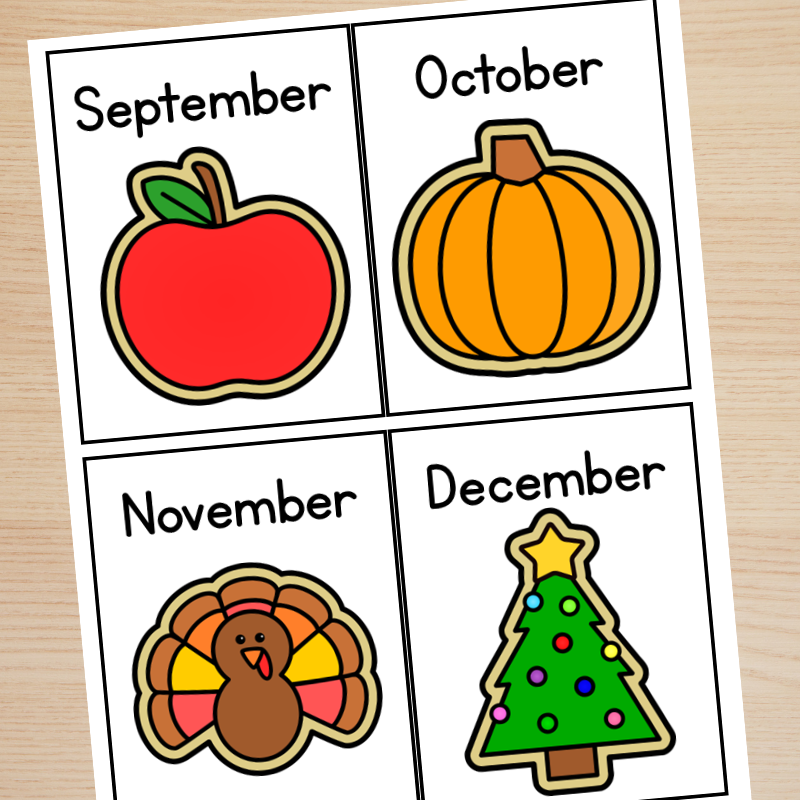
This helps students recognize and spell each month, understand the sequence of the year, and make connections to classroom events and holidays. To extend the activity, you can ask students to circle their birthday month, draw a picture of something they do in a specific month, or match months with holidays and seasonal activities.
You can download these flashcards for free in this post, Free Printable Months of the Year Flashcards for Kids.
CVC Words Read and Write the Room
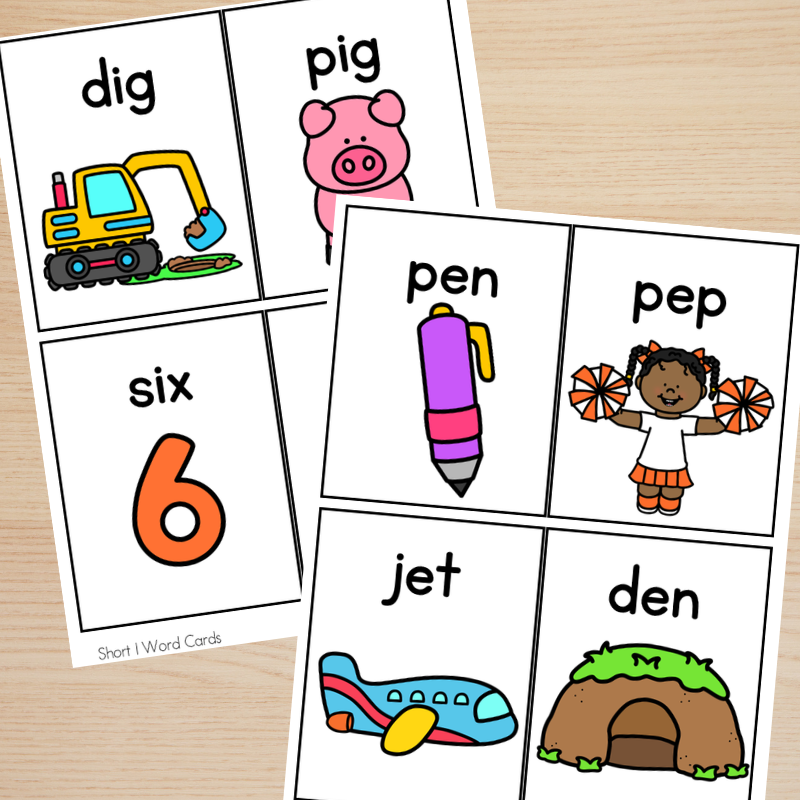
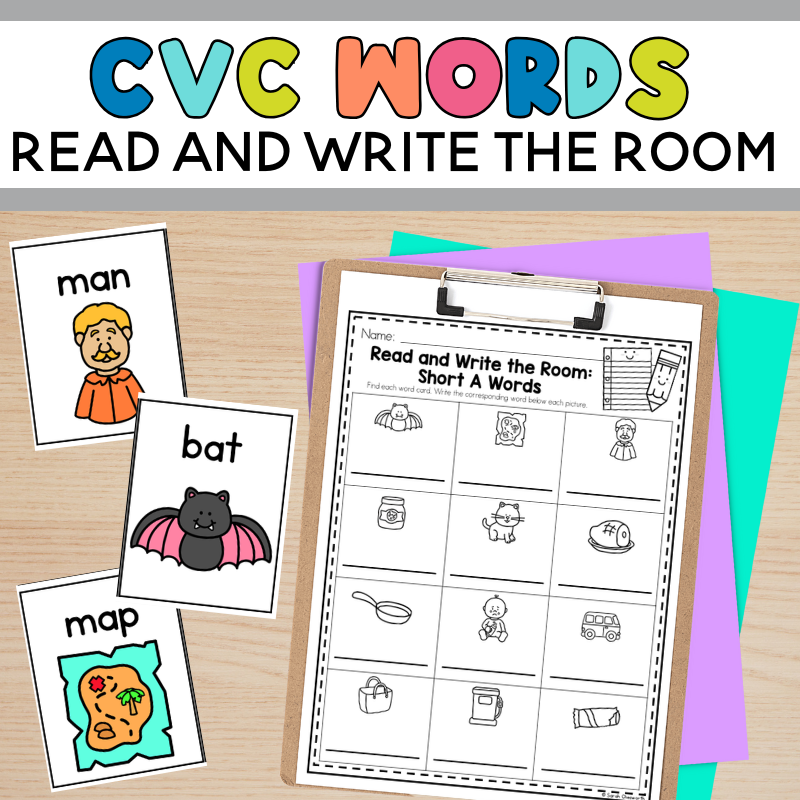
Learning to read simple words like CVC Words is an important reading skill for kindergarten students. Post simple CVC word cards around the room, and have students read each word and write it on their recording sheet. To boost engagement and support comprehension, include a matching picture on each card or have students draw a picture to go with the word. This activity helps students practice blending sounds, build confidence in reading short words, and reinforce common word families in a fun, active way.
If you would like to have this activity ready to print and use, check out CVC Words Read and Write the Room Activities for Kindergarten Students.
More CVC Activities for Kindergarten Students:
Simple Sentences with CVC Words for Reading Practice
CVC Words: Lists and Printable Free Activities for Teaching
Sentences with Short Vowels
Using short vowel sentences in a Read and Write the Room activity is a great way to help students practice decoding and fluency with simple, phonics-based text. Post short, predictable sentences around the classroom.
As students read and write each sentence, they reinforce vowel sounds, sight word practice, and sentence structure. This activity provides a meaningful way to apply phonics and reading skills in context, while also supporting handwriting and comprehension.

Students can also draw a picture to match each sentence that they read! If you are a kindergarten teacher and want this fun activity ready to go for each vowel sound check out this resource,
Number Words
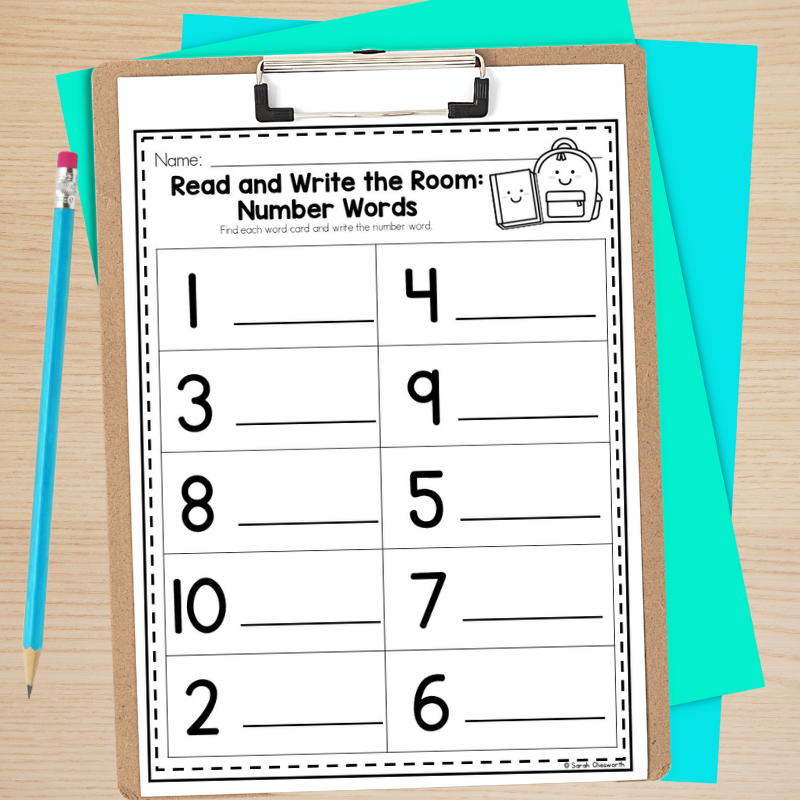
Read and Write the Room is a fun way to reinforce number word recognition in kindergarten. Post number words like one, two, three, and so on around the classroom, and have students walk around, read each word, and write it on their recording sheet. To deepen learning, you can pair the words with matching numerals or visual representations like ten frames or groups of objects.
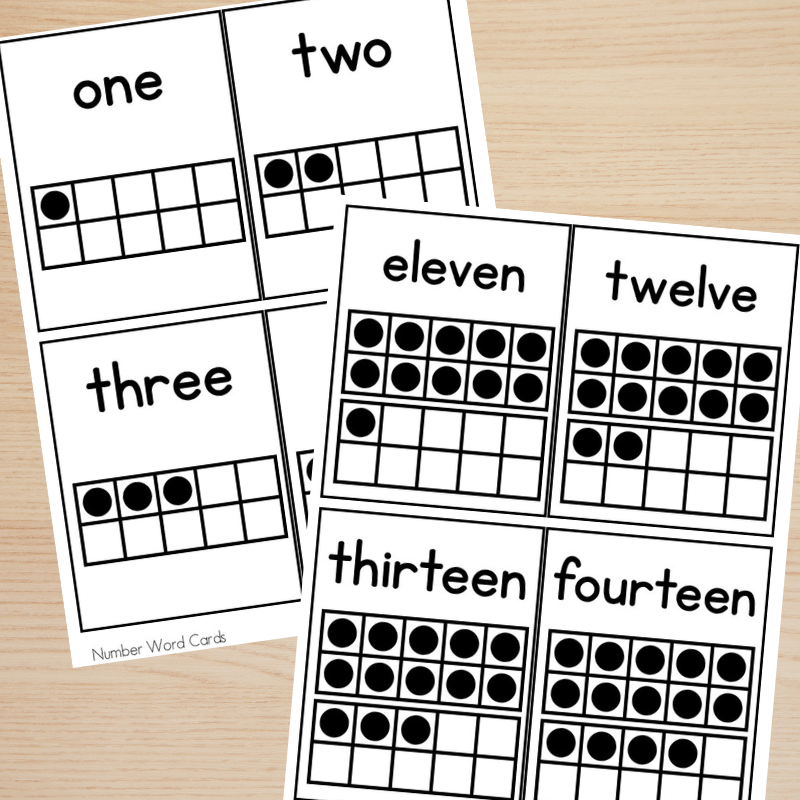
This activity helps students make connections between written and numerical forms, promotes critical thinking, builds vocabulary, and supports both literacy and math goals in an engaging, movement-based format.
Digraphs
Read and Write the Room is a great way to give students hands-on practice with digraphs like sh, ch, th, and wh. Post word cards around the classroom that feature common digraphs—such as ship, chop, or that—and have students read each word and record it. To support developing readers, include pictures alongside each word or have students underline the digraph as they write. This activity reinforces phonics skills, helps students identify beginning and ending sound patterns, and builds confidence as they learn to read more complex words.
Yes or No Questions
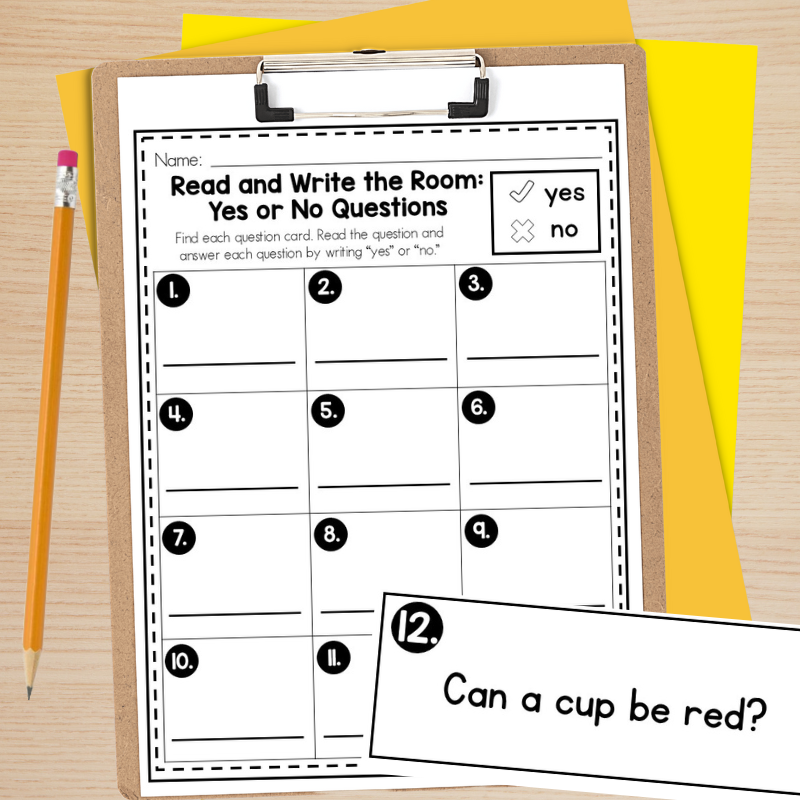
Reading and answering yes/no questions is a great way for students to practice reading comprehension and more! Students will find and read each question card and answer the question on the response page by writing yes or no. This is a great way to review reading simple questions for young children and is a fun learning activity for a kindergarten class in the spring semester.
Interested in adding yes or no questions to your classroom routines? Check out this post: Fun Question of the Day: A Guide for Parents and Teachers.
Sight Words
Using sight words in a Read and Write the Room activity is a fun and effective way to build word recognition and reading fluency. Post high-frequency words around the classroom—like the, and, is, and you—and have students search for them and write each one on a recording sheet. Repeated exposure to these common words helps students recognize them quickly and confidently when reading and writing.
Seasonal Words
These Read and Write the Room activities for kindergarten students can also be tied to different seasons and themes. Display themed word cards—like pumpkin, leaf, snow, or flower—that reflect the current season or upcoming holidays. As students move around the room reading and writing these words, they build vocabulary, practice spelling, and make meaningful connections to what’s happening in the world around them.
Holidays are an exciting time for students and tying in seasonal vocabulary can be a good way to spark conversations, inspire seasonal writing activities, and keep your literacy centers aligned with your classroom themes.
Tips for Successful Implementation
Introduce It Slowly and Model Everything
Start by modeling exactly how the activity works—how to walk around the room, how to find cards, how to hold the clipboard, and how to write on the recording sheet. You may even want to do a “practice round” together as a class before releasing students to work independently. Model how to move quietly and respectfully around the classroom. This is especially important at the beginning of the school year.
Use Visual Cues
Kindergarteners thrive with visual support. Create and choose activities that include visuals to help students stay on track. For example, number each card 1–10 so students know when they’ve found them all, and use pictures when possible.
Create Flexible Work Areas
Allow students to sit on the floor, work at tables, or stand at easels after they collect the information. This prevents traffic jams at certain areas and keeps students comfortable while working. It also helps when you can space the cards out for students to find.
Differentiate Recording Sheets or Tasks
If you can offer multiple versions of your recording sheet:
- Different handwriting lines
- Tracing options for emerging writers
- Picture-to-word match for ELLs or struggling readers
- Sentence-writing spaces for advanced students to use words in sentences, etc.

Store and Reuse Materials
As you prep your Read and Write the Room Activities for Kindergarten students it’s a good idea to spend extra time ensuring that the supplies can be used again. I recommend printing for the first time on cardstock and laminating the word cards so that you can reuse them year after year in your lesson plans. The recording sheets can also be laminated too Store by theme, skill, or season for easy planning. Having everything prepped and stored in a system that works for you will save valuable time and make rotating your literacy centers quick and stress-free.
Frequently Asked Questions About Read and Write the Room Activities for Kindergarten Students
How often should I change out the cards?
To keep students engaged, it’s a good idea to rotate the cards every 1–2 weeks, depending on your classroom schedule. You can change them by skill (e.g., from CVC words to sight words) or theme (like fall vocabulary to winter words). A fresh set of cards keeps the activity exciting and prevents boredom.
What if some of my students can’t read the words yet?
That’s okay! Add picture clues to support emerging readers, or allow students to work in pairs so they can help each other. You can also provide a word bank or have students focus on matching letters or initial sounds as a scaffolded option.
How do I manage movement during the activity?
Before you begin, model how to walk around safely, hold a clipboard, and respect classmates’ space. Set clear expectations and use visual cues or music to signal when it’s time to switch tasks or return to seats. Keep group sizes small or stagger start times if needed.
Can this be used as an independent center?
Yes! Once students understand the routine, Read and Write the Room is a fantastic independent literacy center. It builds independence and allows students to work at their own pace while practicing meaningful skills.
How can I differentiate this activity for different learners?
Offer multiple versions of recording sheets—some with tracing lines, others with space to write sentences or draw pictures. You can also vary the difficulty of the words or sentences posted around the room depending on your students’ needs.
What materials do I need to get started?
At minimum, you’ll need word or picture cards to post, recording sheets, and clipboards or hard surfaces to write on. Laminate your cards to make them reusable, and keep your materials organized by skill or theme for easy prep each week.
Can I use this activity for math or other subjects?
Absolutely! While it’s often used for literacy, Read and Write the Room works great for math (number words, shapes, counting objects), science (animal names, weather words), and even social studies (community helpers, symbols). The possibilities are endless!
Check out these Count and Write the Room Activities if you are interested in using hands-on activities to teach math and practice counting!

Adding Read and Write the Room to Your Classroom
Read and Write the Room is more than just a fun way to get students moving—it’s a powerful tool for reinforcing foundational literacy and math skills in an active, hands-on way. Whether you’re focusing on sight words, CVC words, seasonal vocabulary, or even classmates’ names, this simple activity can be adapted to fit nearly any theme or skill.
With just a little prep and thoughtful organization, Read and Write the Room can become a go-to center in your classroom all year long. Your students will love the movement and variety, and you’ll love seeing their confidence and independence grow. Looking for a place to start? Be sure to grab my free Months of the Year Read and Write the Room to give this a try in your classroom!